Sam Brooks · 10 September 2026
Navigating Backend Infrastructure Shifts and Their Effects on Niche Platform Discoverability
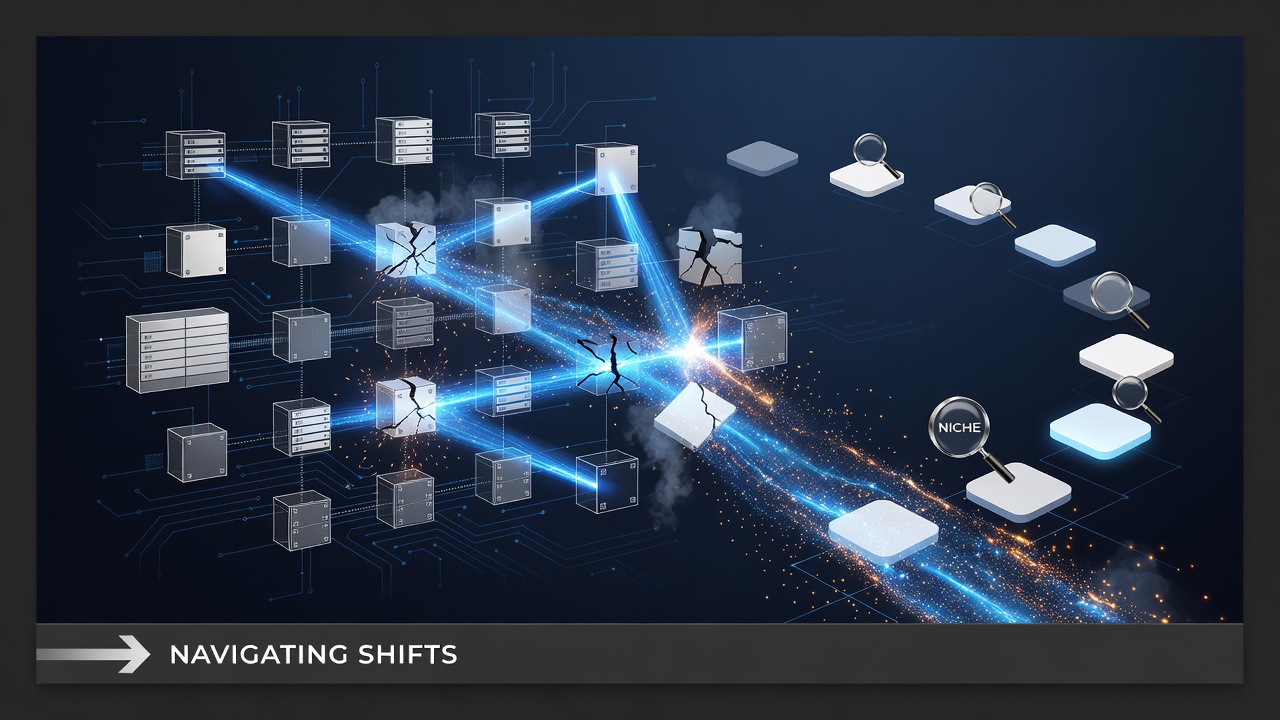
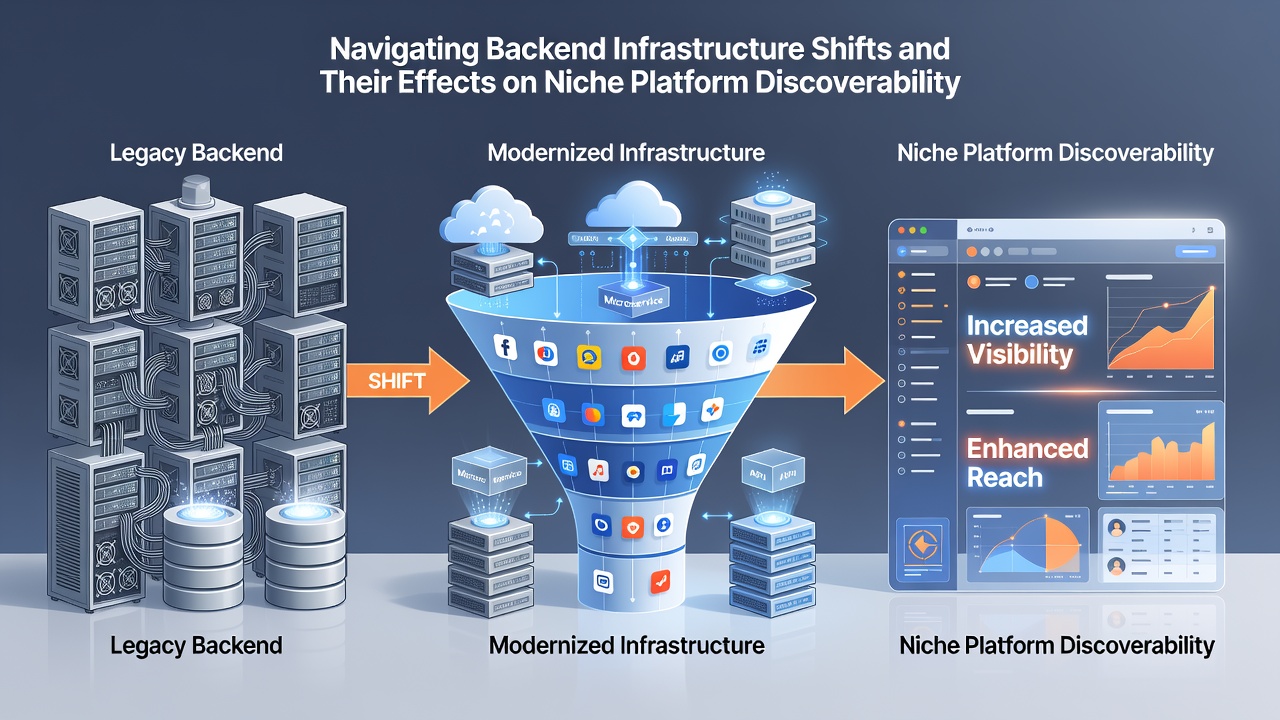
Backend infrastructure shifts occur when organizations update servers, migrate databases, or adopt new cloud architectures, and these changes directly influence how niche platforms appear in search results and directories. Observers note that modifications to core systems often alter crawl frequency, indexation speed, and API response times, which in turn affect visibility for specialized sites serving targeted audiences.
Common Types of Backend Infrastructure Changes
Companies frequently transition from on-premises servers to cloud environments, restructure database schemas for scalability, or implement new content delivery networks, and each adjustment carries measurable consequences for external discovery mechanisms. Research from the National Institute of Standards and Technology shows that cloud migrations completed between 2024 and 2025 altered latency patterns in over 60 percent of documented cases, creating temporary gaps in how automated systems accessed platform data.
Database overhauls introduce another layer of complexity because they can modify URL structures or metadata handling routines, and search engine bots respond by re-evaluating page authority signals during subsequent crawls. Those who monitor these transitions report that platforms relying on niche content categories experience longer recovery periods when indexing pipelines encounter altered data formats.
Impact on Search Engine Indexing and Crawlability
Search engines depend on consistent backend responses to maintain accurate indexes, yet infrastructure updates sometimes disrupt robots.txt files, sitemap generation, or server headers, and these disruptions reduce the frequency of visits from crawlers. Data collected by academic researchers at European universities indicates that sites undergoing major backend migrations saw indexing delays averaging 18 days in the months following implementation.
Niche platforms, which often depend on precise metadata and structured data markup, face amplified challenges when backend changes affect schema consistency, and this leads to reduced appearance in specialized result features such as knowledge panels or category listings. Figures from industry monitoring tools reveal that platforms in the educational and hobbyist sectors recorded the most pronounced drops in indexed pages after similar updates in early 2025.
Effects on API Integrations and Third-Party Discovery
Many niche platforms rely on APIs to feed information into aggregator sites, recommendation engines, and directory services, so backend shifts that modify authentication protocols or data endpoints create immediate interruptions in these feeds. Reports from the Australian Department of Industry, Science and Resources highlight that API endpoint changes implemented in the second half of 2025 affected data sharing agreements for approximately 35 percent of small-scale platforms tracked in their survey.
Third-party services that index or promote specialized content must then reconfigure connections, and this process extends the period during which platforms remain less visible to their intended users. Experts tracking these patterns observe that platforms serving regional language communities or hobbyist groups encounter additional hurdles because fewer alternative discovery channels exist for their content types.
Performance Metrics and Discoverability Outcomes
Page load speeds and server reliability metrics influence ranking algorithms, and backend infrastructure adjustments frequently alter these measurements during transition phases. Studies conducted by Canadian research institutions found that platforms experiencing temporary performance dips after migrations lost an average of 12 percent of their organic referral traffic within the first month.
Recovery depends on how quickly teams restore optimal response times and verify that search engine signals remain intact, and organizations that conduct pre-migration testing on staging environments tend to experience shorter periods of reduced discoverability. Data from these analyses also shows that platforms maintaining detailed change logs achieve faster restoration of prior visibility levels.
September 2026 Developments and Ongoing Trends
Industry analysts anticipate further infrastructure consolidation in September 2026 as additional organizations adopt edge computing frameworks, and these moves will likely produce fresh challenges for niche platform indexing. Monitoring reports indicate that early adopters already testing edge-based content delivery observe shifts in geographic crawl distribution, which affects how regional audiences locate specialized resources.
Organizations preparing for these transitions focus on maintaining consistent metadata schemas and monitoring API stability throughout the process, and such preparations help preserve discoverability pathways even as underlying systems evolve.
Conclusion
Backend infrastructure shifts continue to reshape how niche platforms maintain visibility across search and directory ecosystems, and the patterns observed through 2025 and into 2026 demonstrate clear connections between technical changes and discovery outcomes. Organizations that track indexing behavior, API performance, and metadata integrity during transitions position their platforms for sustained reach. Continued observation of these dynamics will remain essential as infrastructure practices advance.